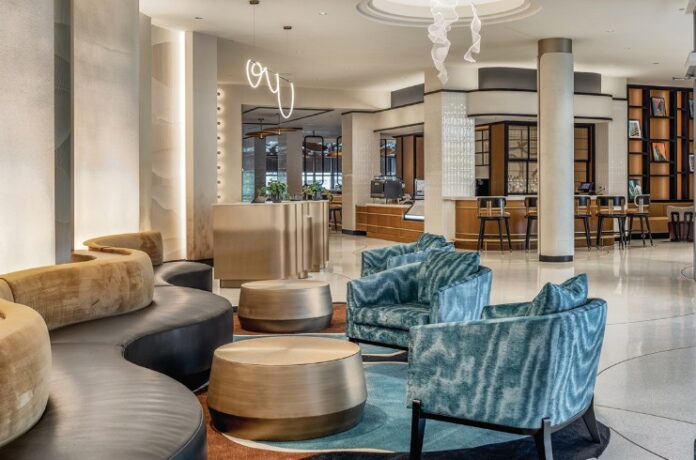
Flyover No More: The Case for Midwest Hotel Investment

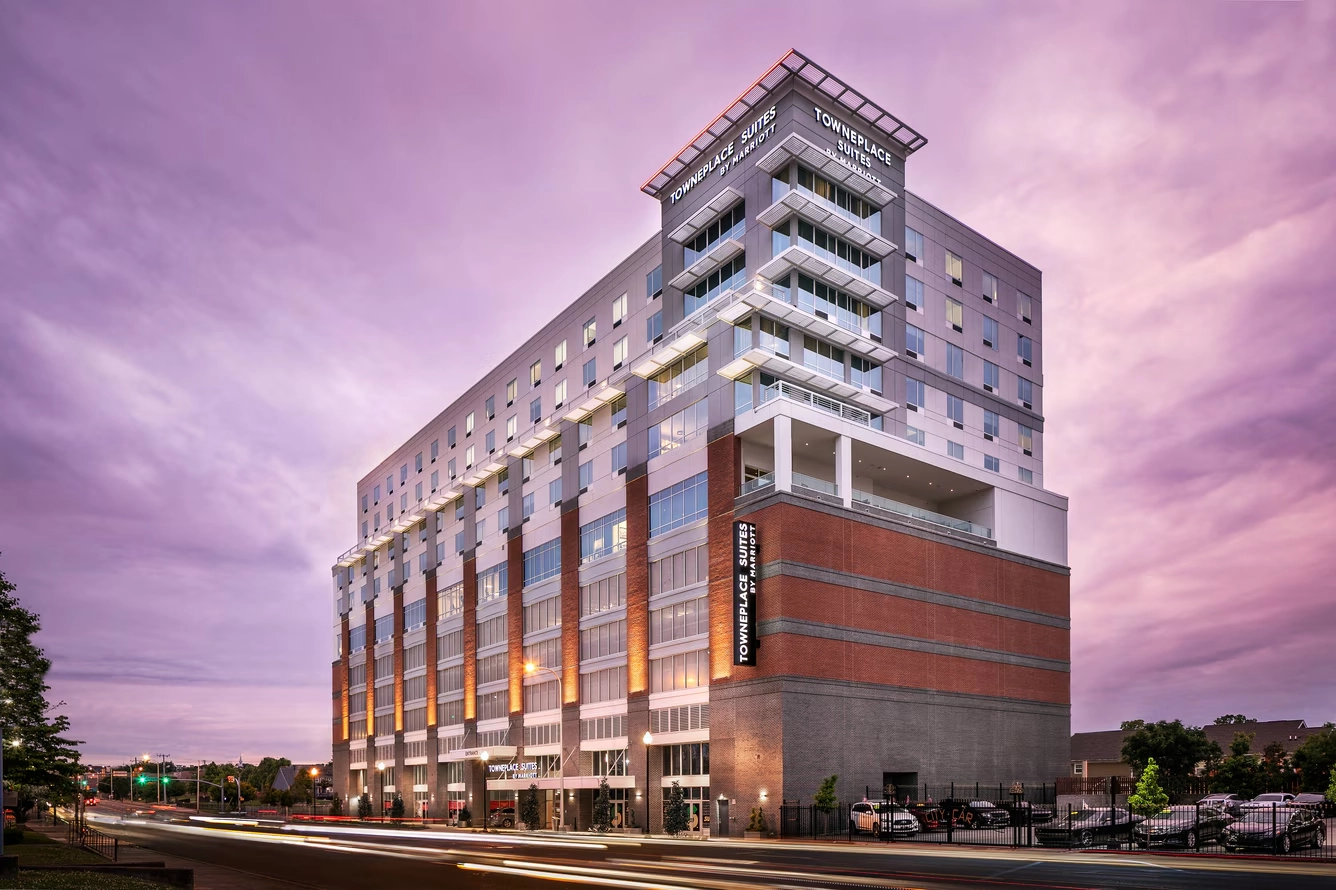
TownePlace Suites Nashville

For real estate investors conditioned to chase hot deals in the Sun Belt, the Midwest can sometimes be an afterthought. However, there are a number of compelling reasons why hospitality properties in the region are a good bet.

One advantage is balance across demand cycles, as Midwest hospitality assets tend to perform on different rhythms than leisure-driven Sun Belt markets. As an example, the strongest revenue per available room (RevPAR) activity in the Midwest last year occurred between July and September, according to Hotel Data, whereas the South saw its strongest RevPAR between March and May.

Another factor is supply risk. According to Lodging Econometrics data, the top five markets with hotel projects in the pipeline as of the fourth quarter of 2025 were all in the Sun Belt: Dallas, Atlanta, Phoenix, Nashville and Austin. In contrast, Midwest cities like Indianapolis, Chicago and Milwaukee, where new hotel supply has been limited, are likely to maintain stronger pricing power for existing assets.

Additionally, insurance exposure is dramatically lower in most Midwest states compared to coastal and hurricane-prone Sun Belt markets. That could be a significant component of investment strategy in the years ahead. According to the American Hotel & Lodging Association’s 2026 State of the Industry report, hotel operating costs rose four times faster than revenue between 2019 and 2025. While the costs for utilities, labor, operations and other line items ranged from 15% to 28% growth during that time, insurance costs skyrocketed by 111%.

Market Fundamentals Shaping Performance

The biggest downside to investing in Midwest hotel properties is seasonality, with demand concentrated in summer months and compressed in the winter. Despite this, a handful of Midwest cities are beginning to defy the seasonal norm entirely. Madison, for example, is able to generate hotel demand across all four seasons, due to the presence of a diversified economy, state government and a robust convention business.

The main driving force in Madison, however, is the University of Wisconsin. All across Big Ten markets, athletic calendars are widening, which helps ease compression windows that used to end with football season. As elite coastal universities grow more selective, top students (including a rising number of international students) are taking serious looks at institutions like UW-Madison, the University of Michigan in Ann Arbor, Vanderbilt in Nashville and Washington University in St. Louis.

Last year, Bradford Allen acquired TownePlace Suites Nashville Midtown, a 193-key hotel in Nashville. Beyond Nashville’s well-established appeal, the property’s location near Vanderbilt University offered something more durable: consistent, need-based demand from one of the region’s leading academic medical centers, layered on top of the university’s own steady draw of students, families and visiting faculty.

Healthcare is another durable, if unexpected, demand driver in the Midwest. Medical and hospital-adjacent travel has become one of the fastest-growing sources of hotel demand nationally, and the Midwest punches above its weight. Markets like Columbus, St. Louis and Madison are anchored by major university hospital systems that draw patients, specialists and researchers year-round. With the U.S. population aging and medical travel accelerating, that demand floor is only deepening. For hotel investors, proximity to a major academic medical center is increasingly a thesis in its own right.

Kansas City is an interesting hospitality case study at the moment as the market is in the midst of a massive dual-stadium development, with the Chiefs finalizing plans for a new $3 billion domed stadium and the Royals moving toward a $1.9 billion ballpark and entertainment district downtown. In markets such as Kansas City, where hotel demand is less tied to leisure tourism, major infrastructure spending is creating a strong pipeline for hospitality growth.

One note of caution worth flagging for Midwest investors: not all demand is created equal right now. Markets heavily reliant on Canadian visitation should be evaluated carefully given current cross-border travel headwinds. And the FIFA World Cup, which many hotel owners expected to be a windfall, has delivered a more complicated picture as hotels in U.S. host cities are slashing rates amid a wave of cancelations.

Stability as Strategy

The Sun Belt isn’t going away. But for investors looking to balance exposure, reduce insurance costs, navigate labor volatility and find assets priced below replacement cost in markets with real, durable demand drivers, the Midwest has quietly become one of the more interesting places to be shopping for those seeking a long-term hedge.

The demand drivers assembling across the region, from stadium districts to expanding medical corridors to university towns attracting a new generation of students, suggest the story is still early. The Midwest has rarely been described as a market with momentum. But momentum has a way of arriving without an announcement, and the investors already in position tend to be the ones who saw it coming.

A version of this editorial previously appeared in REJournals on May 7, 2026.


EXECUTIVE DIRECTOR, HOSPITALITY
AGHFAR ARUN
Chicago, IL
 

Indianapolis Lodging Edges Out National Trends

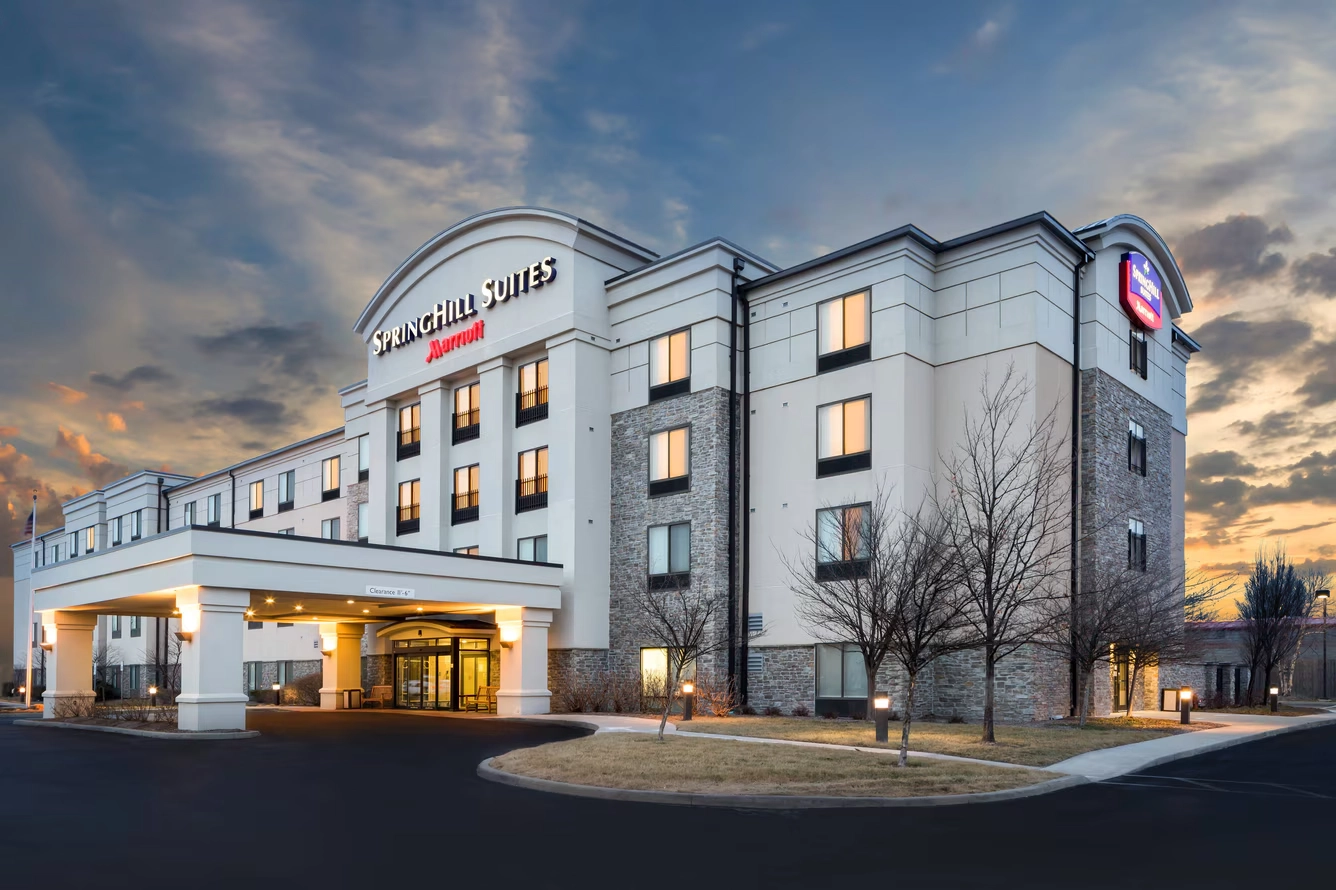
Springhill Suites Indianapolis Lodges Edges Out National Trends

Indianapolis has a reputation as a convention town, but its hotel story has moved well beyond lanyards and name badges. A growing mix of sports, healthcare, corporate and leisure demand is now filling rooms year?round — downtown and across the suburbs — turning the market into one of the Midwest’s most reliable hospitality overachievers.

Event boom downtown

Indianapolis experienced 8.1 million room nights of demand in the 12-month period ending at mid-year 2025, according to CoStar data. This is over 580,000 more than the market’s pre-COVID peak. 

To meet this demand, the construction pipeline at mid-year included more than 1,500 hotel rooms, with another 3,402 rooms in the final planning stages and 3,220 rooms proposed. 

According to Visit Indy, new projects slated for delivery in 2026 include a pair of adaptive reuse projects: The Kimpton will transform the historic Odd Fellows Building into a 167-key luxury hotel and the Motto Hotel will bring 116 rooms to the King Cole Building. The most notable project is Signia by Hilton, a 38-story hotel with 800 guest rooms developed alongside a 143,500-square-foot expansion of the Indiana Convention Center.  

A snapshot of downtown Indianapolis, prepared last year by Downtown Indy Alliance, shows a hospitality market that is outpacing national averages. Citing data from CoStar and STR, the report shows an average 64.7 percent hotel occupancy beating out the U.S. average of 62.4 percent. Even more impressive are the area’s revenue per available room (RevPAR) and average daily rates. 

The $135.20 RevPAR for downtown Indianapolis hotels was a 13 percent year-over-year increase and 35 percent ahead of the U.S. average of $99.96. Downtown Indianapolis’ daily rate averaged $209.11, representing a 12 percent year-over-year increase and beating out the national average by 30 percent.

Suburban surge

Beyond the core, the suburbs are also playing a role in the market’s overall stability. On the North Side, for example, high-end retail at Keystone Crossing and corporate hubs in places like Zionsville, Fishers and Carmel are fueling strong demand. This environment has allowed boutique properties such as Ironworks Hotel Indy and Hotel Carmichael to thrive.

The North Side submarket is also attractive to corporate, extended-stay and youth sports-driven group travelers who desire access to mixed-use communities as an alternative to downtown. Exemplifying this trend is SpringHill Suites Indianapolis Fishers, a 130-room hotel my firm, Bradford Allen, acquired last year. As its name suggests, the select-service hotel is located in Fishers, a northeast suburb that has grown by 35 percent since 2010, according to U.S. Census data, with a current population of approximately 104,000. 

One factor that made SpringHill Suites Fishers an attractive investment was its position within a vibrant, experience-driven district. The hotel is adjacent to the new Cadillac F1 headquarters being developed by Bradford Allen. The 400,000-square-foot facility, part of a larger 90-acre campus, will enhance foot traffic in the area and ultimately drive guest demand. 

The hotel is also near the new Fishers Event Center, a 7,500-seat arena that draws a steady flow of visitors for concerts, basketball games and a wide range of community programming, from youth sports tournaments to graduation ceremonies and civic events.  

Opened in 2007, SpringHill Suites Fishers underwent its most recent renovation in 2016. A comprehensive, multimillion-dollar transformation will bring the property in line with today’s guest expectations, featuring a sleek, minimalist design more often seen in urban hotels. 

Slated for completion within the next 12 months, upgrades to the lobby, fitness center, guest rooms and public areas will reposition the hotel as a contemporary competitor in the suburban market. Bradford Allen will also fully activate the outdoor spaces, including an enhancement of the hotel’s connection to the Nickle Plate Trail, a five-mile-long rail-to-trail amenity that connects hotel guests with downtown Fishers.

Beating national figures

Nationally, the hotel sector appears to be slowly approaching pre-pandemic levels. The American Hotel & Lodging Association’s 2026 State of The Industry report forecasts a 1.7 percent increase in guest spending this year. Additionally, RevPAR is expected to rise by 0.9 percent in 2026, according to a recent PwC report. 

While that may seem like a modest improvement, the projected growth in the upper upscale (2 percent), upscale (1.8 percent) and upper midscale (1 percent) segments represents a welcome turnaround after all saw RevPAR decline in 2025.

Indianapolis demonstrates how a rare downtown-suburban synergy can deliver year-round hotel stability that few U.S. markets match. The event core downtown handles peak demand from conventions and tournaments, while suburban areas provide reliable fill from healthcare, logistics, corporate offices and sports travel. 

This balance across multiple demand generators — unlike event-only or leisure-dependent peers — lowers overall risk and supports consistent performance. As a model of post-pandemic evolution, Indy’s blend of urban excitement and suburban resilience positions it for sustainable growth relative to the national average. Operators here benefit from a diversified base that smooths out seasonal swings better than many peers.

As the national hospitality sector anticipates moderate growth, Indianapolis shows how a variety of downtown and suburban assets can together deliver reliable market-wide stability. Whether targeting suburban yield stability or downtown growth potential, the market offers tailored opportunities for every investment strategy.

A version of this editorial previously appeared in RE Business Online on March 19, 2026.


EXECUTIVE DIRECTOR, HOSPITALITY
AGHFAR ARUN
Chicago, IL
 

5 Renovations That Yield the Best ROI for Full-Service Lifestyle Hotels

Bradford Allen 5 Renovations That Yield the Best ROI for Full-Service Lifestyle Hotels

With approximately 63,000 hotels in the United States, it’s more important than ever to stand out. Renovations can help attract guests, but some upgrades are more likely than others to drive stronger performance and guest satisfaction. For full-service lifestyle hotels, the most successful transformations balance cost with clear operational and experiential gains.

Guestrooms 

Few renovations deliver faster returns than refreshed guestrooms that feel modern, comfortable, and functional. Guest bathroom upgrades, such as tub-to-shower conversions and high-end finishes and fixtures, create a cleaner, more modern environment that caters to today’s travelers. In the upscale segment and higher, shifting from carpet to hard-surface flooring is a proven value play.

Guests view it as a quality enhancement that helps justify higher rates, and operators benefit from faster cleaning and less frequent replacements. While swapping out Millennial gray for a more colorful palette is a simple and low-cost way to appeal to younger travelers, other décor updates, like new soft seating or desks, tend to have limited impact. Gone are the days when guests needed hardline desk setups; now they expect simple, reliable streaming and smart-room functions.

Lobby

The lobby and front desk serve as the hotel’s opening statement, and a memorable arrival experience sets the mood for everything that follows. With Bradford Allen’s $30 million renovation of Hyatt Centric Chicago O’Hare, a refreshed all-glass porte-cochere welcomes guests into a sun-lit lobby. A mix of seating options encourages guests to socialize, follow up on work, or relax. Carefully designed layout and circulation choices can nudge guests toward connected dining spaces, creating a smoother transition and boosting F&B performance.

Food & Beverage

Revamping F&B spaces can elevate the guest experience while unlocking meaningful ancillary revenue. For example, Cima, a new dining concept at Hyatt Centric Chicago O’Hare, offers thoughtfully sourced Midwest food with a Mediterranean influence, an indoor dining room, a bar, a 50-seat patio, and private event spaces.

Designed as a destination restaurant, Cima also has its own entrance separate from the lobby to help draw in non-hotel-guest diners. Because bar and beverage facilities carry higher margins compared to other segments of the F&B industry, creating a comfortable, engaging space directly influences revenue. When the restaurant feels intentional and inviting, guests are more likely to stay onsite, boosting capture rates in a category where even small increases pay off quickly. 

Meeting Space 

Meeting and event spaces offer full-service hotels an excellent opportunity to drive incremental revenue beyond guestrooms. Investing in audiovisual equipment rather than renting systems as needed allows hotels to keep more of the profits from their event spaces. Advanced lighting, sound, and projection systems not only enhance the guest experience but also eliminate reliance on external vendors, letting operators capture revenue that would otherwise slip away.

Lighting

Small lighting upgrades can make a surprisingly big impact, beyond operational efficiency. Better lighting improves how spaces appear in photos, which influences guest perception and drives more social sharing. Unlike other typical hotel renovations like furniture or bedding, lighting changes are relatively low-cost but high-impact.

In addition to these high-ROI renovations, the one improvement that is disproportionate to any other upgrade is developing high-quality staff. Well-trained, attentive employees increase guest satisfaction, leading to repeat stays, higher occupancy, positive reviews, and stronger word-of-mouth. Full-service hotels that invest in competitive compensation, training, and career development will reduce the cost of turnover over time.

Ultimately, the best hotel renovations are the ones that guests actually notice and are willing to pay a premium for. When upgrades are tied to guest behavior and demand, they can reset a property’s trajectory for the next decade. 

A version of this editorial previously appeared in Lodging Magazine on February 17, 2026.


EXECUTIVE DIRECTOR, HOSPITALITY
AGHFAR ARUN
Chicago, IL