Monthly Archives: May 2026

Aghfar Arun Shares Top Hotel Renovations That Deliver Strong ROI

Image Not Found

Aghfar Arun, executive director, hospitality at Bradford Allen, recently wrote for Lodging Magazine on “5 Renovations That Yield the Best ROI for Full-Service Lifestyle Hotels.”

In the article, Arun explores how hotel owners and operators can make smarter capital improvement decisions in an increasingly competitive market. He outlines the renovation categories that often create the strongest returns, including guestrooms, lobbies, food-and-beverage outlets, meeting space, and lighting.

Arun also emphasizes that the most successful upgrades are not always the most expensive, but the ones guests notice and are willing to pay more for, including investing in talented staff.

Read the full article here: https://lodgingmagazine.com/5-renovations-that-yield-the-best-roi-for-full-service-lifestyle-hotels/


Bradford Allen Welcomes First Residents to Arbor House Apartments in Arlington Heights, Ill.

New luxury apartment community anchors 18-acre mixed-use district at village’s southern gateway

ARLINGTON HEIGHTS, Ill. (May 14, 2026)Bradford Allen, a national full-service commercial real estate development and advisory firm, today announced the grand opening of Arbor House, its new luxury apartment community located at the southeast gateway to Arlington Heights. The eight-story, 301-unit community at 25 E. Algonquin Road marries the comfort and space of suburban living with the sophisticated amenities and design standards more commonly associated with urban high-rises.

Bradford Allen commemorated the community’s opening with a ceremony on May 13. Also in attendance were Village of Arlington Heights Mayor Jim Tinaglia, village officials, members of the Clark Construction team, local businesses and Arbor House residents.

Arbor House offers studio, one-, two- and three-bedroom apartments showcasing upscale finishes such as quartz countertops and in-unit laundry, many with balconies. The community’s concrete construction provides an additional layer of sound insulation, ensuring a quieter, more private living environment.

“Arbor House was designed from the ground up with today’s discerning renters in mind,” said Brian Carley, senior vice president, development, at Bradford Allen. “From the generous amenities to the thoughtfully crafted floor plans, every detail reflects our belief that where you live should genuinely enhance how you live.”

Spanning 17,500 square feet, Arbor House’s indoor and outdoor amenity collection is among the most expansive in the suburbs. The state-of-the-art fitness center is equipped for every stage of a workout, from strength training and cardio to Peloton cycling and dedicated stretching and recovery. A resident lounge with golf simulator, game tables, television and kitchen provides a natural gathering space. Additional amenities include coworking suites on the first and fourth floors, concierge desk, covered parking and pet-friendly amenities including an on-site dog run and washing station.

Residents also have access to a private outdoor terrace featuring a pool, spa, fire pits, grills and social seating with views of Busse Woods and the Chicago skyline. Complementing the residential offering, 26,000 square feet of ground-floor retail further animates the streetscape and brings everyday conveniences directly to residents’ doorsteps.

Arbor House serves as the anchor of Bradford Allen’s 18-acre mixed-use district known as Arlington Gateway. The project reimagines the southeast entrance to Arlington Heights as an all-in-one community where residents can live, work and socialize. The integrated master plan concept includes a full renovation of the former Daily Herald building, now branded as Arlington Med, placing Arbor House residents steps from a 150,000-square-foot state-of-the-art wellness center focused on providing patient-first experiences.

“The suburban rental market has grown more sophisticated, and Arbor House was designed to meet that moment,” said Carley. “We’re delivering an experience that rivals the best downtown communities, ensuring residents don’t have to choose between the space and comfort of suburban life and the energy of a premium, amenity-rich downtown building.”

Prominently located at the intersection of Algonquin and Arlington Heights roads, Arbor House is close to downtown Arlington Heights and the Busse Woods nature preserve. The property has immediate access to the Jane Addams Memorial Tollway and is approximately 3 miles from the Arlington Heights Metra station. O’Hare International Airport, Allstate Arena and numerous hotels, restaurants and shopping centers are also minutes away.

Monthly rents at Arbor House start at $1,895. Leasing appointments are offered daily and can be scheduled by visiting arborhouseapartments.com. Arbor House is exclusively leased by Cross Street.

About Bradford Allen:

Bradford Allen is a national commercial real estate services and investment firm headquartered in downtown Chicago. Founded in 2003 by Jeffrey Bernstein and Laurence Elbaum, the company’s vertically integrated platform services entrepreneurial, corporate and not-for-profit clients in every sector. Bradford Allen offers end-to-end solutions to owners, occupiers and investors through brokerage and advisory services, building operations and management, program management and consulting, and real estate investments and development. For more information, visit bradfordallen.com.


Bradford Allen Secures New 10,641-SF West Loop Office Lease for AMI Group

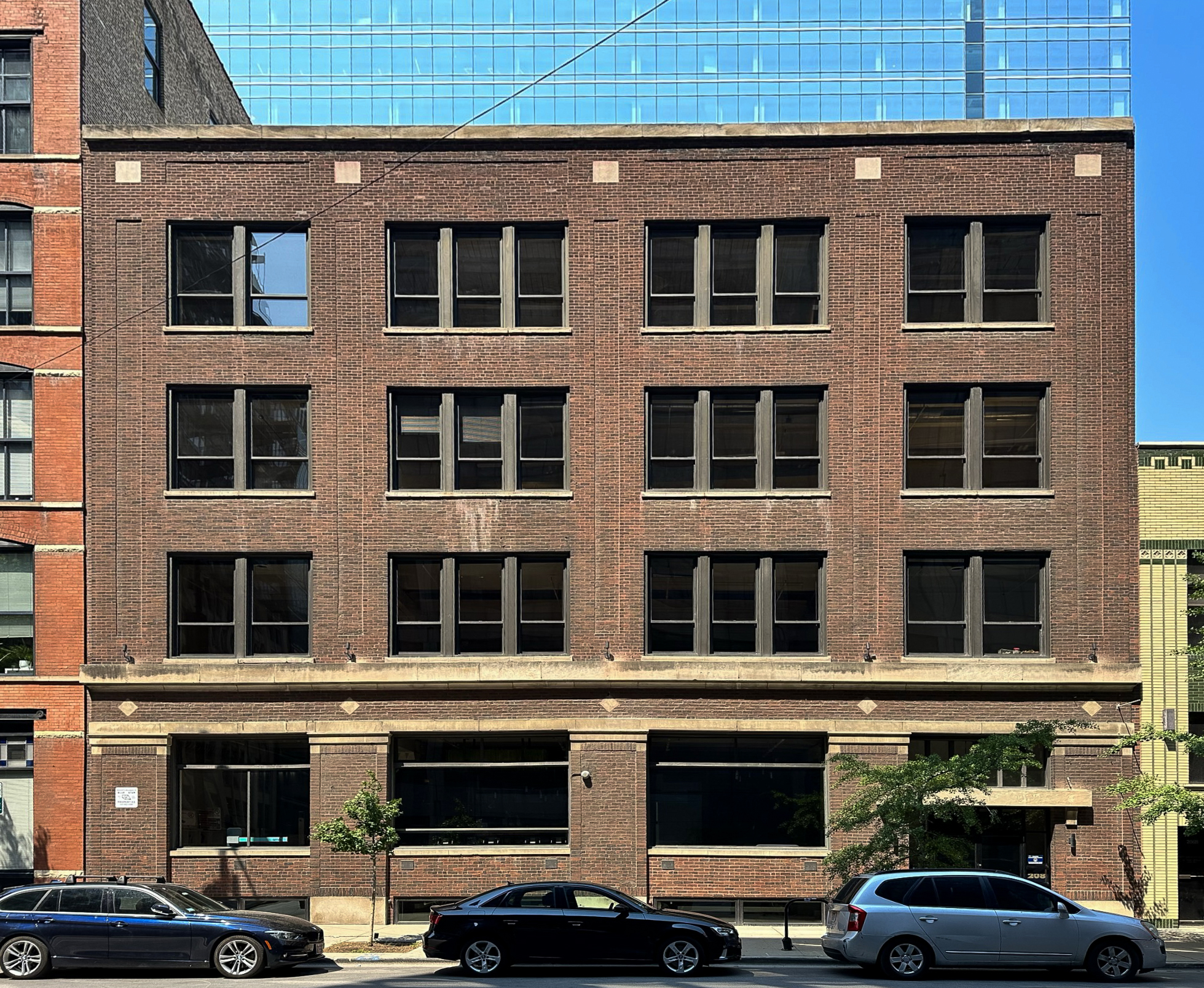
208 S Jefferson

CHICAGO — Bradford Allen has secured a new 10,641-square-foot office lease for AMI Group at 208 S. Jefferson St. in Chicago’s West Loop. The lease marks AMI Group’s first office in the city.

The transaction was led by Bradford Allen’s Nathan Meisner, associate director, and Lauryn Sussman, senior associate, who represented AMI Group in securing the space. Mike Lombardo and Amy Skalla of Blue Star represented ownership.

AMI Group, headquartered in Santa Monica, California, will use the new location as both an office and a dedicated test kitchen for its Culinary Design Solution team, supporting its work with airline partners. The space is designed to serve as a hub for collaboration and product development.

“AMI Group’s vision for the space went beyond a traditional office,” Meisner said. “They were looking for a location that could support both day-to-day operations and a dedicated  test kitchen. This space allows them to do both in one of Chicago’s most active neighborhoods.”

Located in Chicago’s West Loop, 208 S. Jefferson offers access to public transportation, walkable dining and retail, and proximity to the city’s broader business district. The neighborhood’s reputation as a leading culinary destination aligned closely with AMI Group’s focus, making it a natural fit for the company’s next phase of growth.

About Bradford Allen: 

Bradford Allen (BA) is a commercial real estate firm based in the heart of downtown Chicago. Founded in 2003 by Jeff Bernstein and Larry Elbaum as an office brokerage, the firm has grown into a vertically integrated commercial real estate company, offering a full array of services and expertise across multiple U.S. markets to entrepreneurial, corporate and not-for-profit clients, including strategy, marketing and transaction execution for occupiers, investors and owners. For more information, visit bradfordallen.com


Ten with Ben 035: Market Momentum and Changing the Conversation

In the latest episode of Ten With Ben, Ben discusses the renewed momentum across Chicago’s commercial real estate market, from increased leasing and investment activity to landlords investing in upgraded amenities and large spec suites. He also shares why it’s time to move beyond the term “return to office” as office buildings across the city continue to see growing activity and collaboration.

Prefer the audio? Listen to the MP3 or stream from your favorite podcast provider.


Flyover No More: The Case for Midwest Hotel Investment

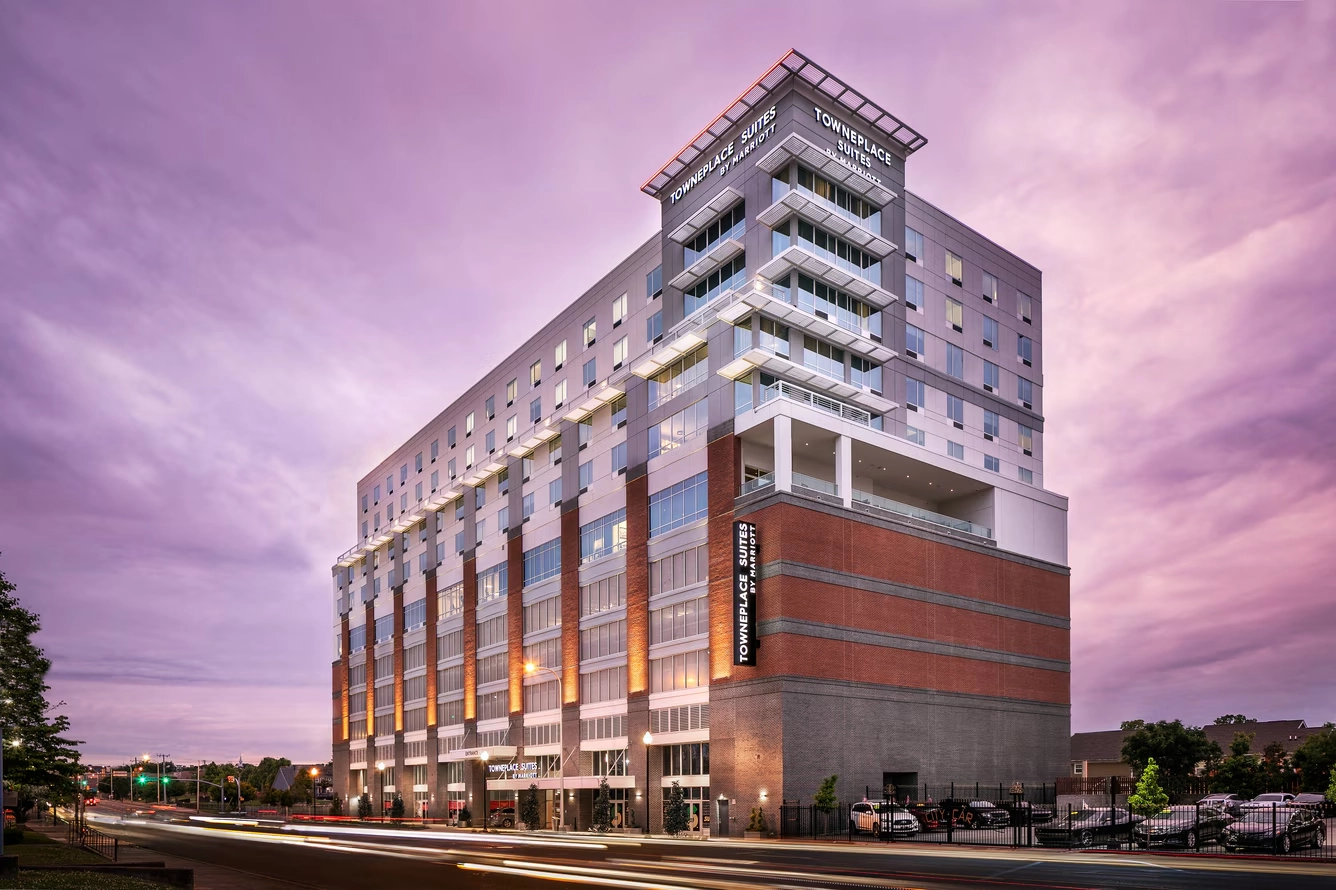
TownePlace Suites Nashville

For real estate investors conditioned to chase hot deals in the Sun Belt, the Midwest can sometimes be an afterthought. However, there are a number of compelling reasons why hospitality properties in the region are a good bet.

One advantage is balance across demand cycles, as Midwest hospitality assets tend to perform on different rhythms than leisure-driven Sun Belt markets. As an example, the strongest revenue per available room (RevPAR) activity in the Midwest last year occurred between July and September, according to Hotel Data, whereas the South saw its strongest RevPAR between March and May.

Another factor is supply risk. According to Lodging Econometrics data, the top five markets with hotel projects in the pipeline as of the fourth quarter of 2025 were all in the Sun Belt: Dallas, Atlanta, Phoenix, Nashville and Austin. In contrast, Midwest cities like Indianapolis, Chicago and Milwaukee, where new hotel supply has been limited, are likely to maintain stronger pricing power for existing assets.

Additionally, insurance exposure is dramatically lower in most Midwest states compared to coastal and hurricane-prone Sun Belt markets. That could be a significant component of investment strategy in the years ahead. According to the American Hotel & Lodging Association’s 2026 State of the Industry report, hotel operating costs rose four times faster than revenue between 2019 and 2025. While the costs for utilities, labor, operations and other line items ranged from 15% to 28% growth during that time, insurance costs skyrocketed by 111%.

Market Fundamentals Shaping Performance

The biggest downside to investing in Midwest hotel properties is seasonality, with demand concentrated in summer months and compressed in the winter. Despite this, a handful of Midwest cities are beginning to defy the seasonal norm entirely. Madison, for example, is able to generate hotel demand across all four seasons, due to the presence of a diversified economy, state government and a robust convention business.

The main driving force in Madison, however, is the University of Wisconsin. All across Big Ten markets, athletic calendars are widening, which helps ease compression windows that used to end with football season. As elite coastal universities grow more selective, top students (including a rising number of international students) are taking serious looks at institutions like UW-Madison, the University of Michigan in Ann Arbor, Vanderbilt in Nashville and Washington University in St. Louis.

Last year, Bradford Allen acquired TownePlace Suites Nashville Midtown, a 193-key hotel in Nashville. Beyond Nashville’s well-established appeal, the property’s location near Vanderbilt University offered something more durable: consistent, need-based demand from one of the region’s leading academic medical centers, layered on top of the university’s own steady draw of students, families and visiting faculty.

Healthcare is another durable, if unexpected, demand driver in the Midwest. Medical and hospital-adjacent travel has become one of the fastest-growing sources of hotel demand nationally, and the Midwest punches above its weight. Markets like Columbus, St. Louis and Madison are anchored by major university hospital systems that draw patients, specialists and researchers year-round. With the U.S. population aging and medical travel accelerating, that demand floor is only deepening. For hotel investors, proximity to a major academic medical center is increasingly a thesis in its own right.

Kansas City is an interesting hospitality case study at the moment as the market is in the midst of a massive dual-stadium development, with the Chiefs finalizing plans for a new $3 billion domed stadium and the Royals moving toward a $1.9 billion ballpark and entertainment district downtown. In markets such as Kansas City, where hotel demand is less tied to leisure tourism, major infrastructure spending is creating a strong pipeline for hospitality growth.

One note of caution worth flagging for Midwest investors: not all demand is created equal right now. Markets heavily reliant on Canadian visitation should be evaluated carefully given current cross-border travel headwinds. And the FIFA World Cup, which many hotel owners expected to be a windfall, has delivered a more complicated picture as hotels in U.S. host cities are slashing rates amid a wave of cancelations.

Stability as Strategy

The Sun Belt isn’t going away. But for investors looking to balance exposure, reduce insurance costs, navigate labor volatility and find assets priced below replacement cost in markets with real, durable demand drivers, the Midwest has quietly become one of the more interesting places to be shopping for those seeking a long-term hedge.

The demand drivers assembling across the region, from stadium districts to expanding medical corridors to university towns attracting a new generation of students, suggest the story is still early. The Midwest has rarely been described as a market with momentum. But momentum has a way of arriving without an announcement, and the investors already in position tend to be the ones who saw it coming.

A version of this editorial previously appeared in REJournals on May 7, 2026.


EXECUTIVE DIRECTOR, HOSPITALITY
AGHFAR ARUN
Chicago, IL